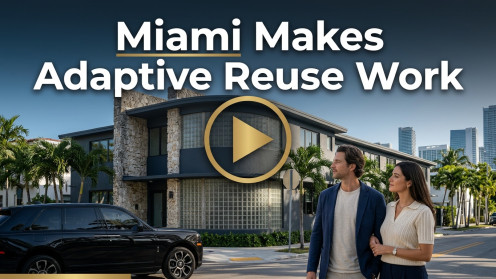
As someone who’s walked Miami’s neighborhoods for years, I’ve seen firsthand how creative reuse breathes new life into our city. Take the MiMo district: a beautifully restored 1953 hotel didn’t just preserve a piece of history—it helped ignite a wave of revitalization. That one project alone correlated with assessed values within a mile rising by about 45% over five years, outpacing the national average of 27%. In Miami, adaptive reuse isn’t limited to housing. I’ve watched projects like the Little River concept, where a museum and retail share space, and Midtown’s transformation of a 1962 warehouse for tenants, turn overlooked properties into vibrant community anchors. There’s real power in the emotional connection people feel to these familiar buildings; their authenticity draws visitors, tenants, and investors alike. While costs can sometimes run higher than new construction, Miami’s incentives—like tax abatements, grandfathered parking, and unique architectural features—often tip the balance, making these projects both rewarding and practical. It’s a reminder that our city’s story isn’t just in new developments, but in how we honor and reinvent the spaces we already have.
Leave a Reply